
Custom Software Development Company in the United States
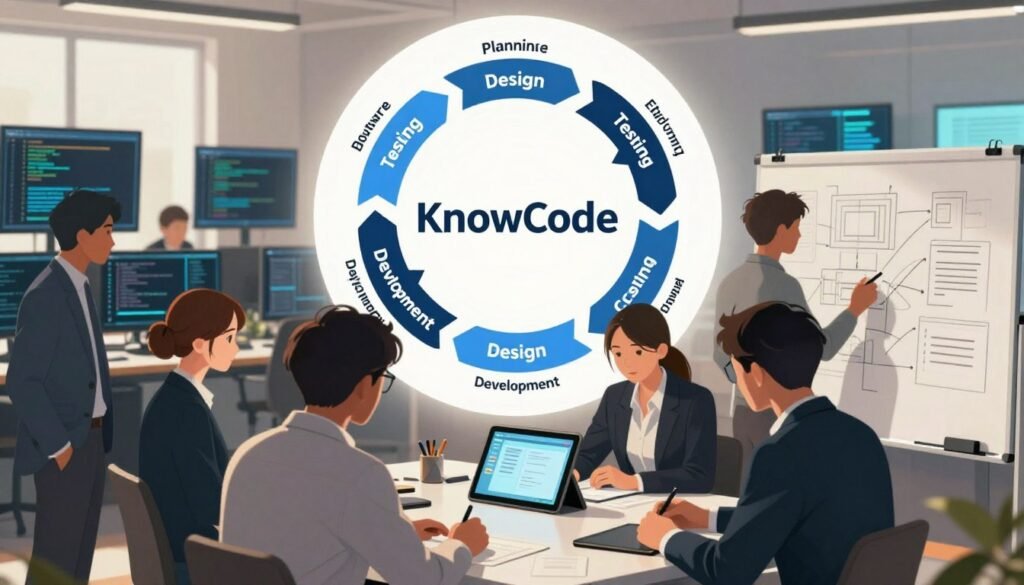
A striking share of digital transformation projects never reach their intended goals — a reminder of just how difficult it is to modernize operations without the right technical partner. We work with businesses across the country as an American software company focused on getting that process right. Our team brings hands-on guidance to every project, shaping software development around your specific business needs rather than a generic template. As a US software development firm, we build secure, flexible digital solutions meant to hold up as your business grows. Ready to start? Call (404) 984-2226 or email business@knowcode.us — we’re glad to talk through your idea. Key Takeaways A majority of digital transformation projects fall short of their original goals. Expert guidance is what keeps a technical project aligned with actual business outcomes. We specialize in secure, flexible custom tech solutions for U.S.-based clients. Talking to a professional partner is the real first step toward modernizing operations. Reach our team directly at (404) 984-2226 to talk about your project. Defining Your Vision for Bespoke Software Solutions Every successful digital transformation starts with clarity. Working with a custom software development company begins with discovery — a phase that acts as the blueprint for everything that follows. We focus on genuinely understanding your challenges before writing a single line of code, so the resulting bespoke software solution actually fits your goals. Identifying Core Business Requirements Before building anything, we work to understand exactly what challenges you’re facing. That means digging into your existing workflows to identify which features will deliver real value, rather than building features for their own sake — which keeps the whole team focused and avoids wasted effort. Documenting these requirements early sets a solid foundation for custom app development, so every piece of code serves a clear purpose. If you’d like help planning your project, call (404) 984-2226 or email business@knowcode.us. Setting Realistic Project Timelines and Budgets Accurate expectations matter as much as good code. We work with you to build a realistic plan around your desired features and timeline, which helps sidestep the common pitfalls that derail custom app development projects. The table below shows the main phases we use to manage your custom software solutions well: Phase Primary Focus Expected Outcome Discovery Business Requirements Project Roadmap Planning Budget & Timeline Resource Allocation Execution Development & QA Functional Software Deployment Launch & Support Live Application Open communication throughout keeps a project on track and on budget. Contact us at (404) 984-2226 or email business@knowcode.us to start defining your vision. Executing the Software Development Lifecycle Turning an idea into a working product takes a deliberate process. We guide each project through every phase, from initial requirements to a live, functioning application. Gathering Technical Specifications and Requirements Strong projects begin with a clear technical plan. We work with you to define precisely what your custom software solution needs to do. Getting these specifications right early prevents downstream problems and makes sure the whole team is aligned on what’s actually being built before development starts. Designing the User Experience and System Architecture Good custom app development needs to be both usable and structurally sound. Our team designs systems that look good on the surface and hold up under real-world complexity underneath — software that’s easy to use and capable of handling demanding tasks. Implementing Agile Coding Practices Our professional software developers work in agile sprints, which keeps software engineering services flexible and responsive to change rather than locked into a rigid plan. Agile lets us ship updates frequently and incorporate your feedback as the project evolves, so new issues get addressed quickly and you stay informed throughout. Conducting Rigorous Quality Assurance Testing Quality isn’t an afterthought — it’s built into the process. We test thoroughly to catch and resolve issues before anything reaches production, so the final product is both reliable and secure. Questions along the way? Call (404) 984-2226 or email business@knowcode.us. Partnering with a Professional Software Development Company Choosing to hire professional software developers is about more than technical skill — the right partnership depends on finding a team that fits your business goals and working style. Evaluating Technical Expertise and Industry Experience Look past the marketing when evaluating a software development firm. Case studies relevant to your specific industry challenges are a much better indicator of fit than general claims. Look past the marketing when evaluating a software development firm. Case studies relevant to your specific industry challenges are a much better indicator of fit than general claims. Assessing Communication and Project Management Styles Transparency separates a reliable software development agency from one that isn’t. You want a partner who keeps you informed — including honest updates about risk, not just progress. Strong project management keeps your original vision front and center throughout, and consistent feedback loops are what actually keep complex projects on time and on budget. Verifying Security Standards and Compliance Protecting your intellectual property is essential when working with any software development partner. Confirm your partner follows rigorous security and compliance standards before committing to the relationship. Our team builds data security and safe coding practices into every project from the start. Ready to talk specifics? Call (404) 984-2226 or email business@knowcode.us. Conclusion Turning a complex business idea into working software takes both vision and technical depth. We stay focused on your long-term growth, making sure every line of code serves that goal. At KnowCode, we build custom tech solutions designed to scale with your business, bridging ambitious ideas and practical execution through close collaboration and transparent development. Starting is simple — just tell us what you need. Our team is ready to help move your business forward with the right technology behind it. Call (404) 984-2226 for a conversation, or email business@knowcode.us with your project details. We’re looking forward to helping shape what’s next for your business. FAQ Why should we choose KnowCode as our custom software development company in the United States? KnowCode brings hands-on expertise to businesses pursuing digital transformation, with
Custom Software Development Company in the United States Read More »